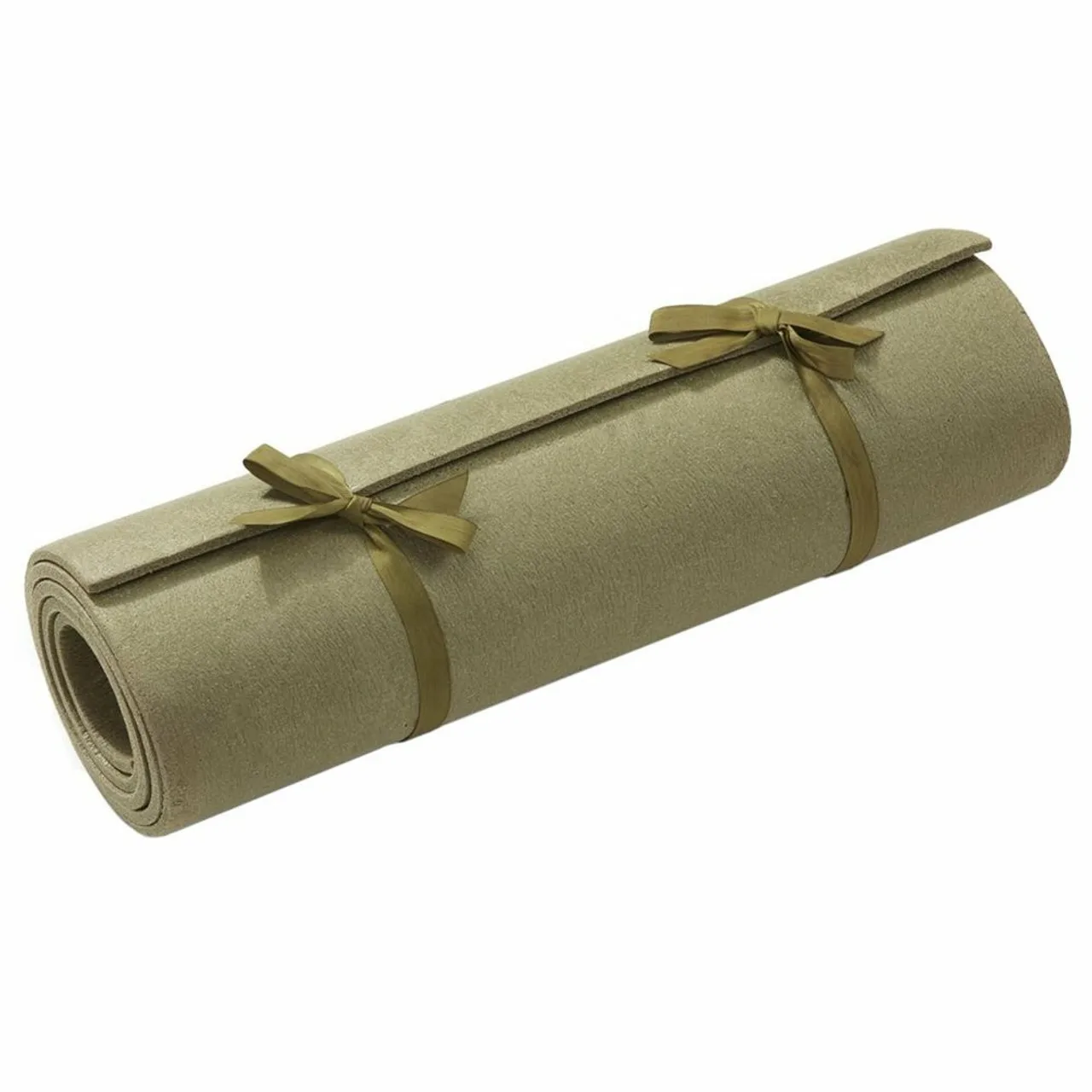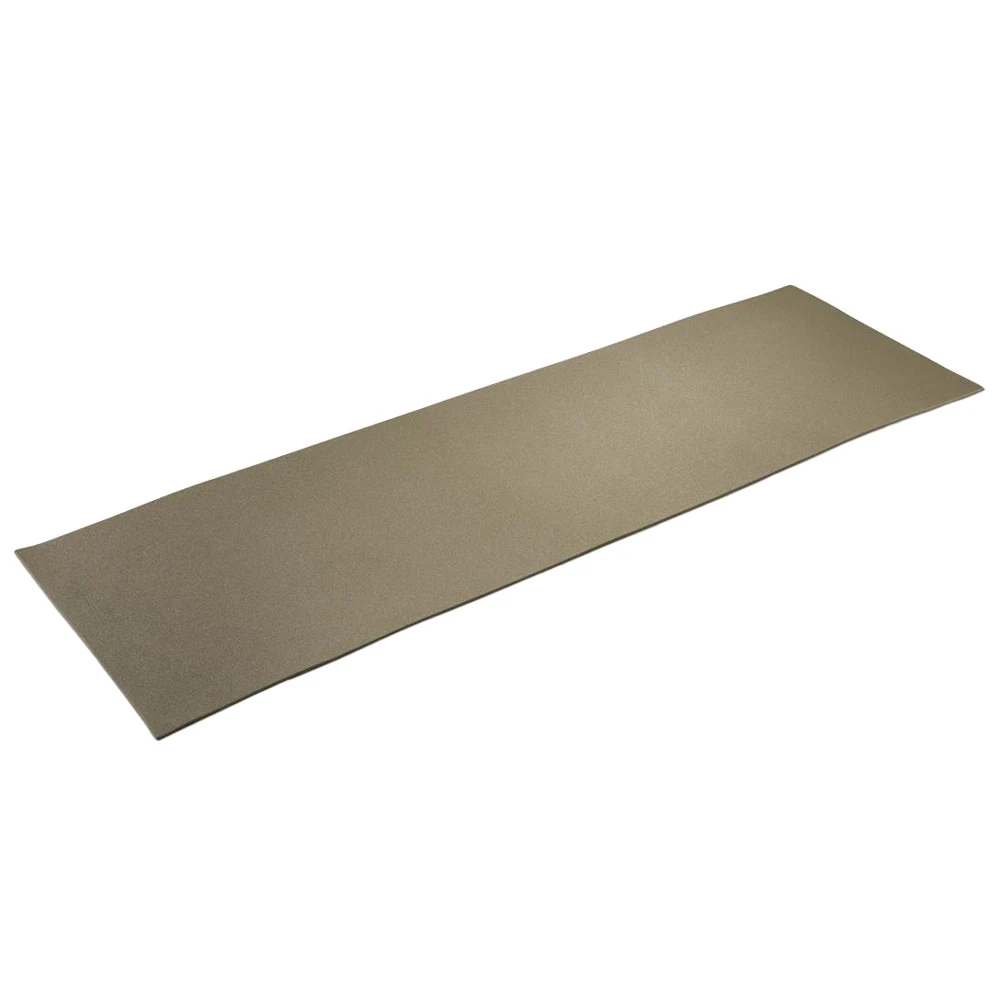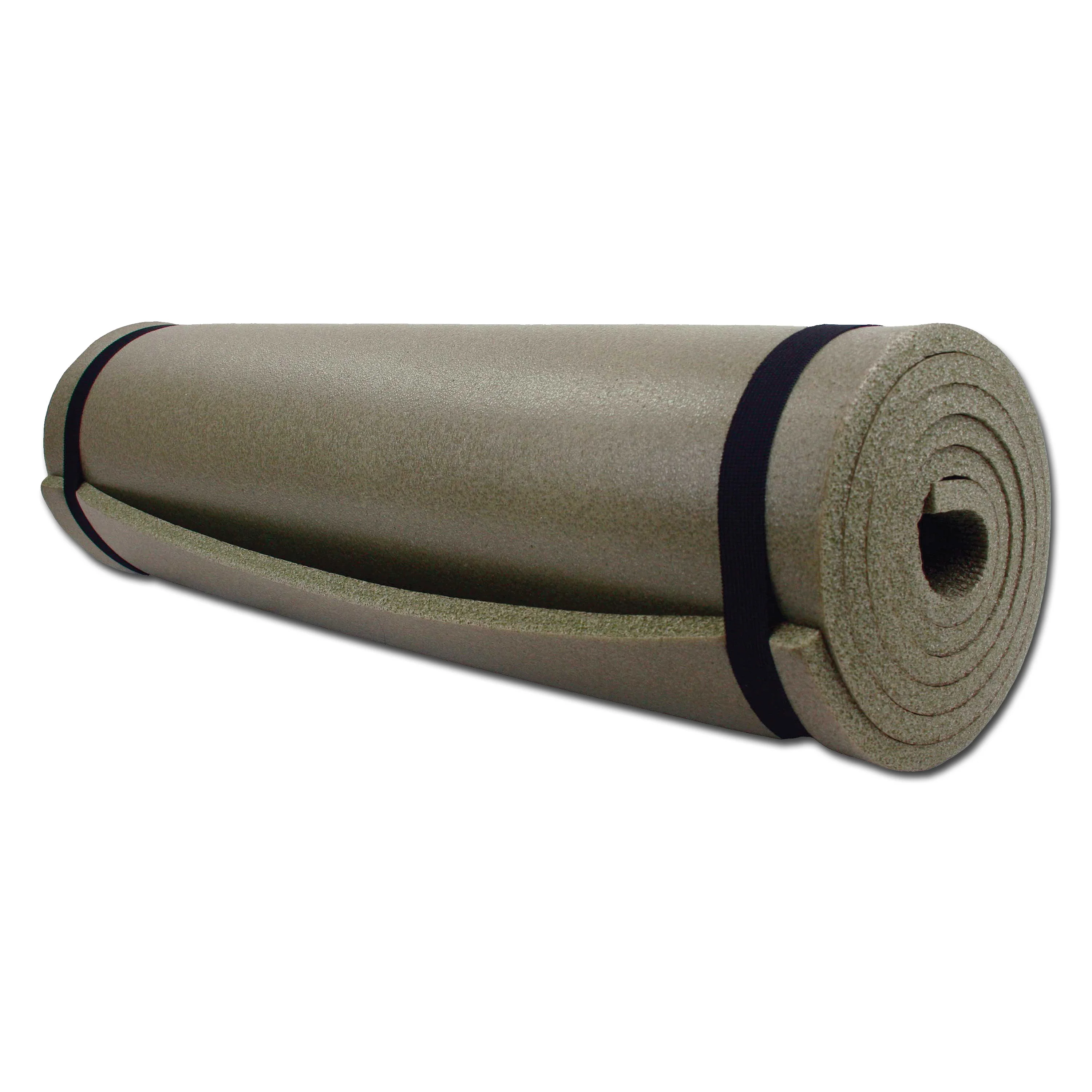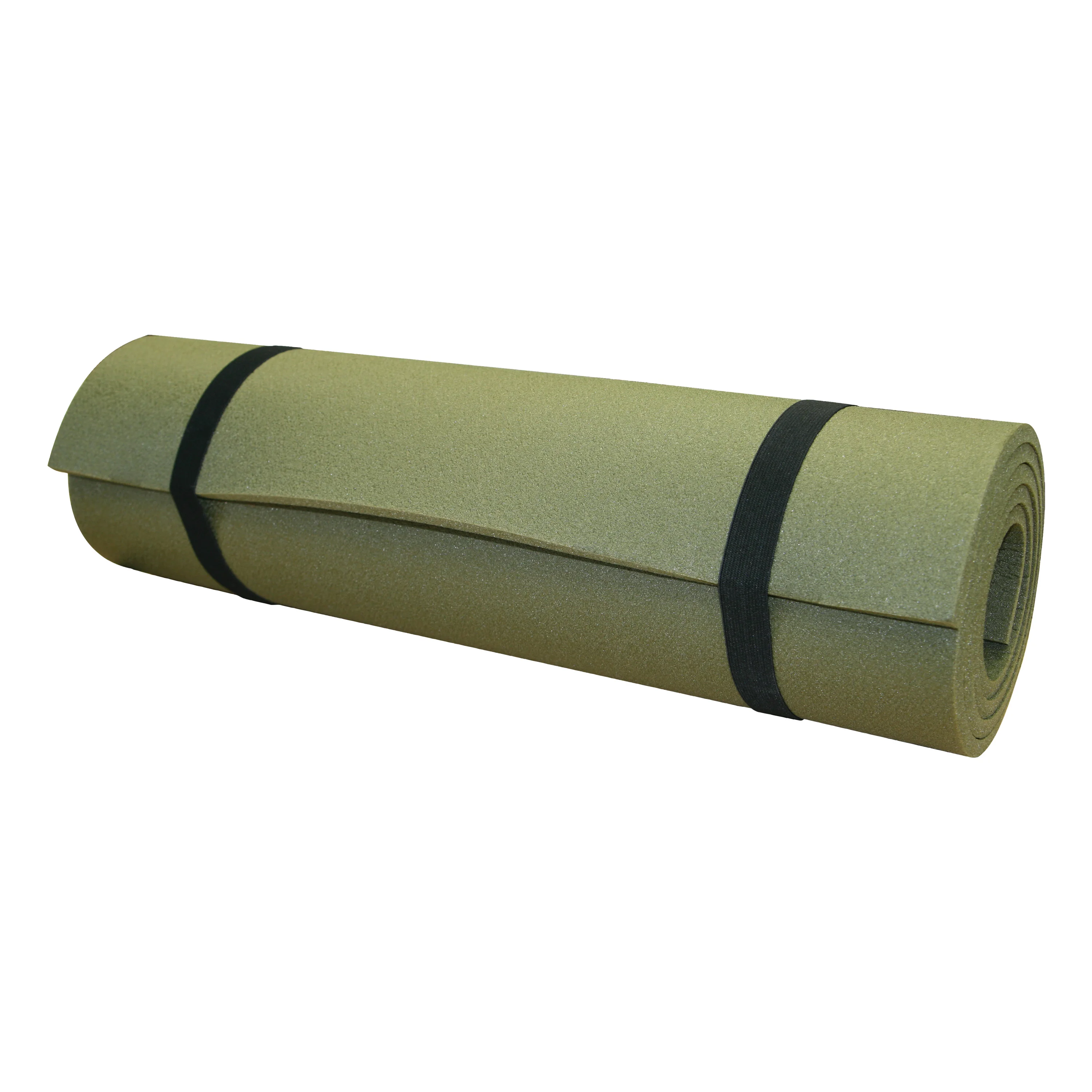
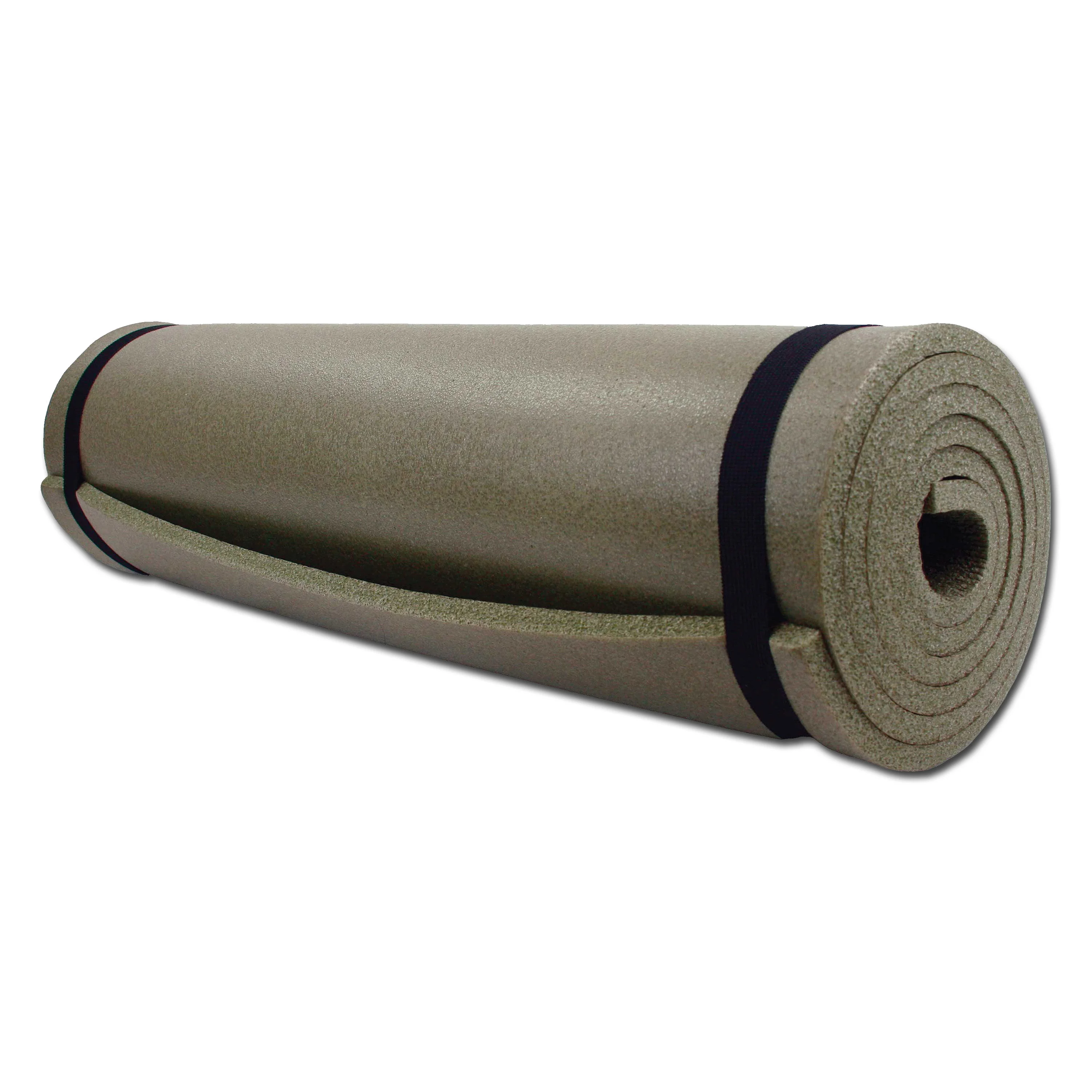
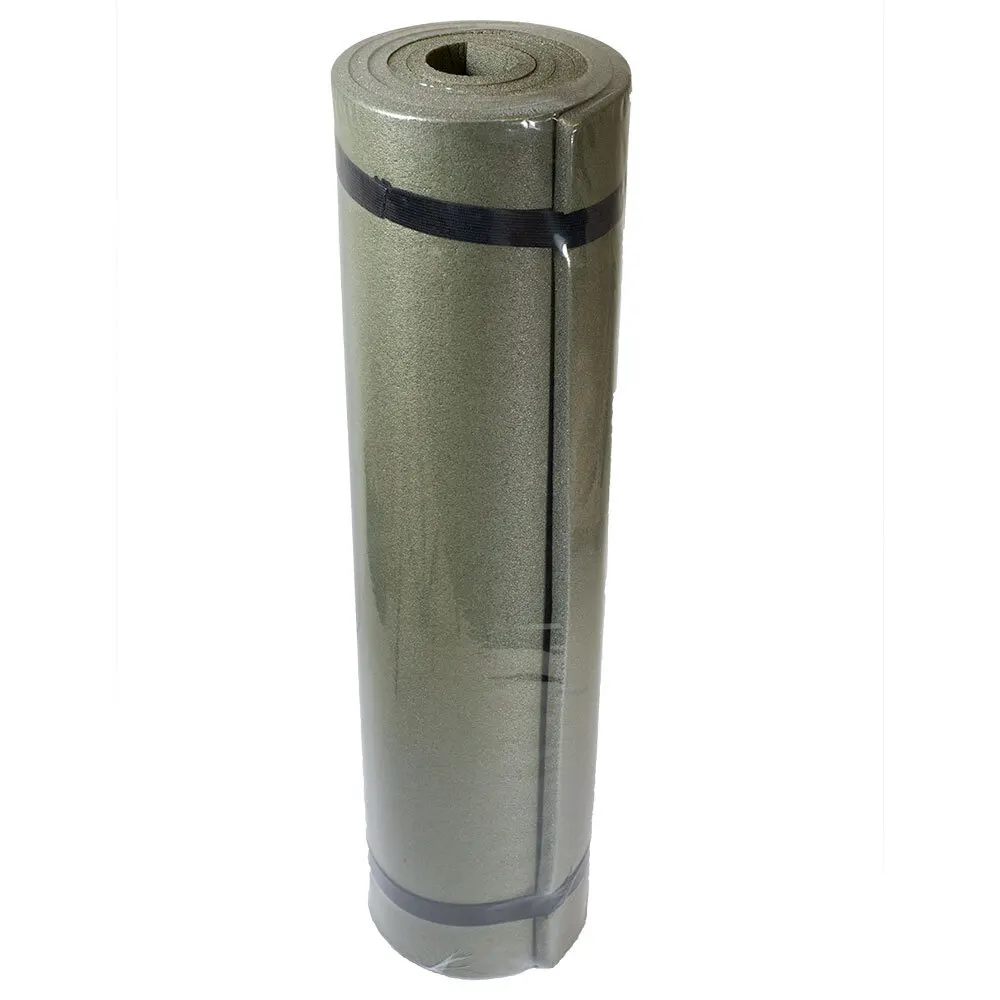
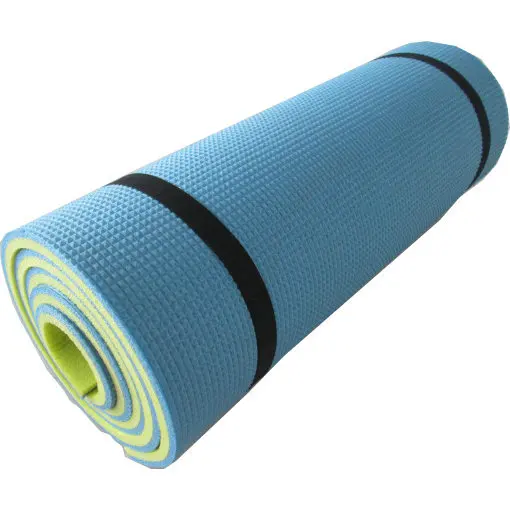
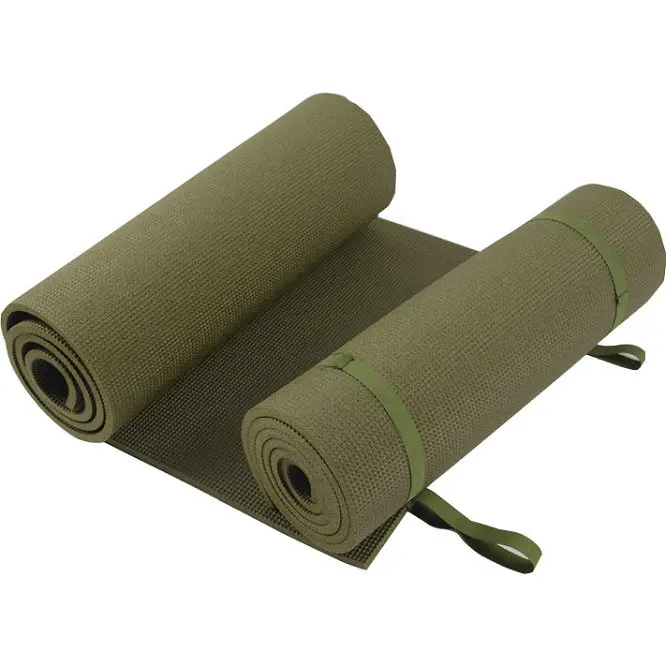

Chemically crosslinked foam also has good physical properties, but has a larger more random cell structure. Chemically crosslinked foam can also be used for packaging, heat forming and a large variety of applications.
These foams are available in a wide variety of formulations including EVA modified to make the foams more pliable, as well as with fire retardants. Crosslinked foams are available in both rolls and bun (block) form, and in a variety of colors, as well as natural, white and black.
Features
Chemically Cross-Linked Polyethylene Foam is an extremely fine-celled foam, ideal for projects and applications that require thicker foam. With a smooth, pleasant feel combined with superior physical and chemical properties, cross-linked polyethylene foam is the solution for an array of applications that demand thicker sections of closed cell foam. With its closed cell density, XLPE works well commercially as thermal insulation, construction expansion joints and industrial gaskets. It is also used as packaging and in flotation equipment, with its low moisture permeability and high buoyancy.
Parameters of production - technology chemically crosslinked foam in rolls:
* Application temperature range: from -60 to +95.
* thickness from 3 to 15 mm
* width to 1500 mm
* length to be agreed
* density from 25 to 200kg/m3
* full range of colors
Chemical properties: XPE foam resistant to gasoline and oil, weather conditions and UV rays.
physical properties: Structure of closed-cell foam provides excellent soundproofing and insulation. The foam does not absorb water well, or does not absorb moisture.
Parameters of production - technological XPE foam boards:
* application temperature range: from -60 to +95
* thickness from 10 to 100 mm
* width to 1500 mm
* length to be agreed
* density from 25 to 200kg/m3
* full range of colors, the possibility of blending layers, the possibility of gluing.
Chemical properties: XPE foam resistant to gasoline and oil, weather conditions and UV rays.
physical properties: Structure of closed-cell foam provides excellent soundproofing and insulation. The foam does not absorb water well, or does not absorb moisture.
Cross linked polyethylene foam
Polyethylene is a class of thermoplastics practically ubiquitous in consumer products. In its foam form,polyethylene is used in packaging, vibration dampening and insulation, as a barrier or buoyancy component, or as material for cushioning. It is most frequently seen as a packaging material . Polyethylene foam is also a durable, lightweight, resilient, closed-cell material available in a wide range of densities and colors in both plank and roll stock. It is often used for packaging and material handling applications due to its excellent vibration dampening and insulation properties as well as its high resistance to chemicals and moisture.It is easy to process and form and has high load bearing characteristics that help manufacturers reduce packaging costs as they can use thinner and smaller amounts of foam yet still protect products. Polyethylene is also buoyant which makes it quite popular for flotation products and other water related applications.
Polyethylene is buoyant,making it popular for nautical uses.Most types of polyethylene are non-abrasive; serve as a thermal insulator; are inert to water, grease and solvents at typical temperatures; are CFC-free and ozone friendly, recyclable, odorless, and very lightweight. Many types of polyethylene are approved for use in the food industry. Found in all types of packaging, polyethylene is used to wrap furniture, computer components,electronics, sporting goods, plants, frozen foods, clothing, bowling balls, signs, metal products, and more. It comes in forms designed to minimize static or maximize thermal insulation, among dozens of other variants. The material is impervious to bacteria and mold and is tear-resistant. Polyethylene is among
the cheapest of artificially fabricated materials, but not as cheap as most raw materials, as the polymerization process consumes energy. In addition, distribution costs are normal because polyethylene cannot be compressed much for shipping.
1.Closed Cell
2.Very Lightweight
3.Non-abrasive
4.Easy to fabricate
5.Non-dusting
6.Superb strength and tear resistance
7.Excellent shock absorption & vibration dampening properties
8.Resistant to water, chemicals, solvents & grease
9.CFC free
10.Recyclable
11.Odorless
12.Excellent buoyancy
13.Very cost-effective
14.Excellent thermal insulation properties