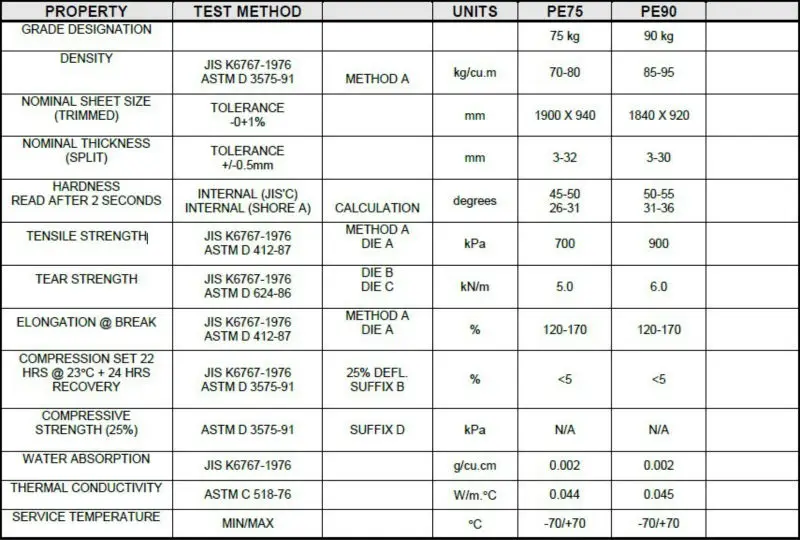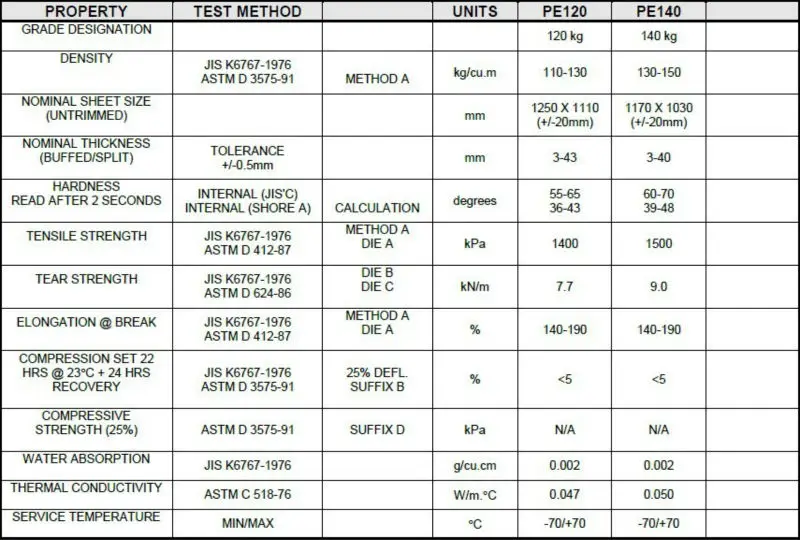
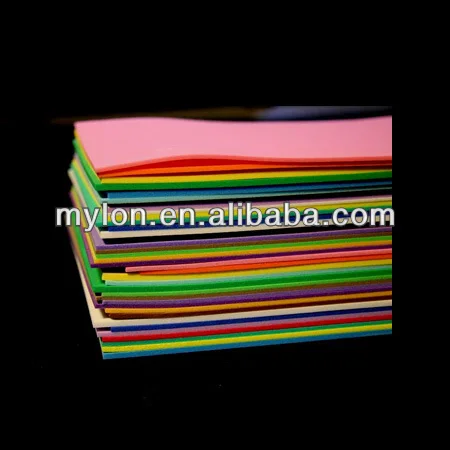
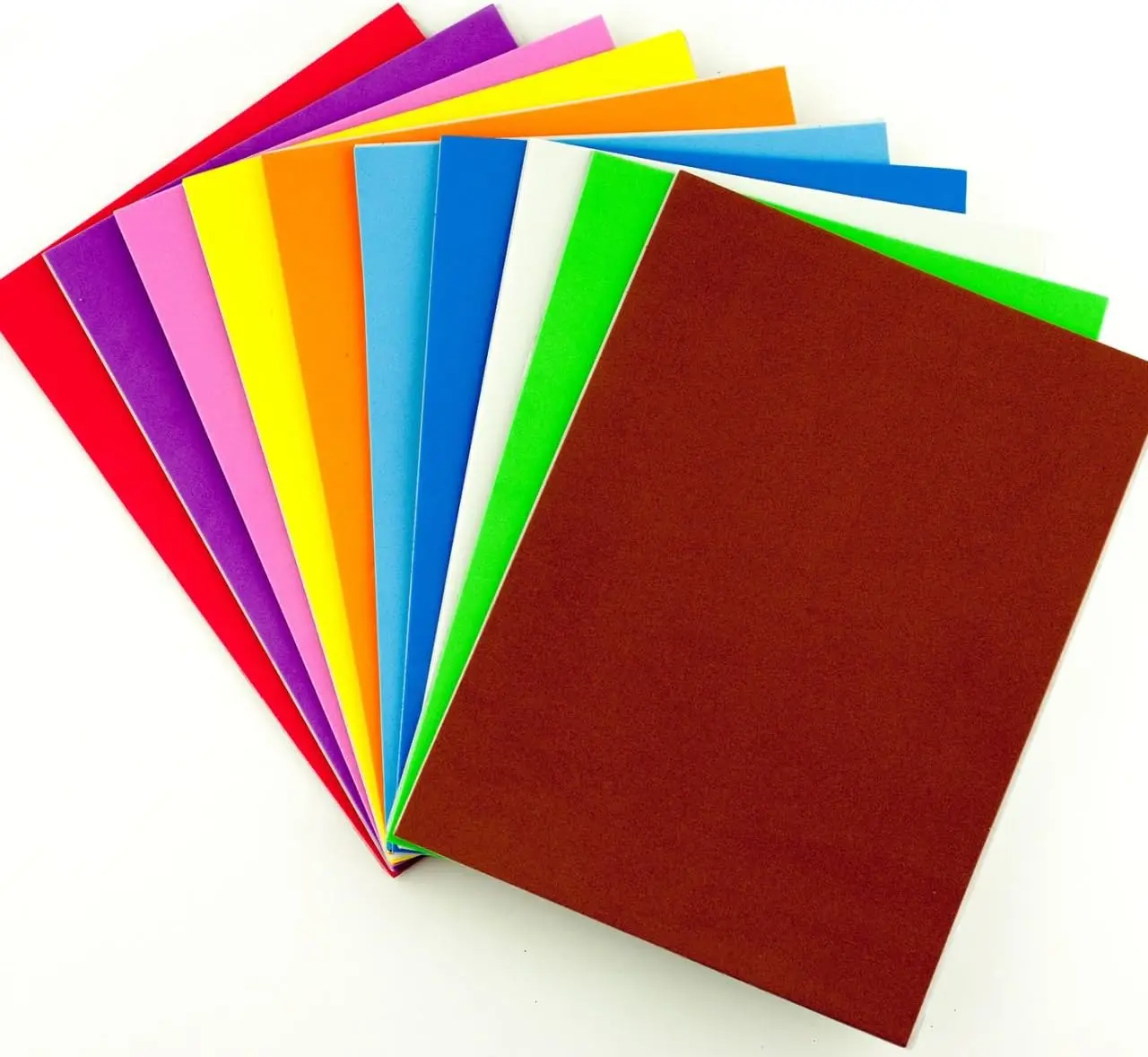


high density open cell pe hdpe ldpe foam products manufacturer
Polyethylene Foam Benefits
- Visual appeal
- Excellent pliability and low heat conductivity
- Chemical resistance
- Mechanical shock resistance
- Harmless and environmentally friendly
- Ease of workability and long life
- Fully recyclable (contains no halogens, sulphates, silicones, cadmium, lead, etc.)
Typical Applications of the Polyethylene Foam
- Protection of the product against abrasion and scratching
- Product edge and corner protection
- Interleaving between individual products
- Thermal insulation and underflooring
- Thermal and sound insulation of the roofs and walls of buildings
- Protective thermal insulation for greenhouses, hotbeds, and stables
- Thermal insulation of piping
- Manufacture of mattresses, etc.
- CELL-AIRE - POLYETYLENE FOAM (PE)
- Manufactured from low density PE (LDPE), without freons-based additives
- Reusable and recyclable
- Closed cells with not the cross-linked structure
- Thicknesses available: 0,7mm, 1,0mm, 1,5mm, 2,5mm and 4,0mm
- CUSHION-PLY - POLYETYLENE FOAM (PE)
- High efficient low density PE foam
- Can replace polyurethane sheets, expanded polystyrene, and cardboard folding boxes
- Available in a thickness of 40mm and density of 16kg/m3
- Mouldable and heat air sealable
Introduction
The Polyethylene (PE) world is the land of the unlimited possibilities.
Apart from all the other packaging applications, PE is also the raw material for many Foam applications.
Mylon has over 10 years experience in PE foams and a vast experience in both the foaming techniques and its use in the end market.
The LDPE foam market is an important market and several kinds of PE foams have been developed, each with their own specific set of properties for specific purposes and the applications continue to grow; the possibilities seem to be endless. Due to the long history and wide technical experience in this market SABIC can offer:
- 1. Dedicated LDPE grades
- 2. Dedicated Technical Marketing support
- 3. Market commitment
PE Foam production
PE foam is mainly produced through extrusion technologies. The foams are created by first dissolving and mixing a gas in the molten PE, secondly expanding the gas into a lot of small bubbles or cells and finally cooling the expanded PE and thereby creating the final foam.
The foam can be shaped in different semi-finished products such as tubes, profiles, sheets and blocks. The expansion results in a substantial reduction of the polyethylene density. Low Density PolyEthylene (LDPE) as the raw material for these foam has typically a specific density of 920 kg/m3. On the other hand the average density of PE foams is 30 kg/m3. This weight reduction is obtained by expanding the PE approximately 30 times. But it is not only the weight that is changed during the foam process. The new properties that are gained by the PE in its foamed state are jointly responsible for the many applications of this product.
PE Foam Applications
Correctly foamed polyethylene has a structure of small regular cells. Due to this factor it has a high heat and sound insulation capacity and excellent shock absorbing capability. The building-, packaging- and automotive industry and the producers of sports- and leisure articles are happy to utilise these excellent properties. PE foams can be produced in any colour desired. Children highly appreciate the colourful fun toys for swimming pools and three-dimensional puzzles. Their parents and grand parents are more charmed by the comfort of garden seat cushions and knee protectors.
As a result of the excellent heat insulation, PE foams are used for the insulation of central heating pipes. For the same reason and also for the sound absorption it is used on concrete floors under tiles- or parquet floors. Again for it sound absorption and heat insulation PE foam sheets are used in buildings as roof insulation, which is growing in popularity over the last years; so in homes and offices, PE is showing it face more and more.
Also in the packaging industry we see the use of PE foam. Due to the high shock absorbing capability, fragile glasswork, TV set, audio sets
and printers are wrapped in PE foam sheet and in preformed foam blocks.
The producers of sports- and leisure articles have also noticed that PE foam easily intercepts the blows. (Ice) Hockey players, ice- and roller skaters and skiers are enjoying the comfort of knee-, shin-, elbow- and head protectors to increase their resilience. On top of that we find PE foam in swimming pools, in childrens playgrounds, on camping sites, etc where it is used in surf boards, toys, puzzles and camping mats.
The car interior is also covered with a PE foam layer. The automotive industry heats the foamed PE sheets and moulds them in the desired shape to cover the dashboards, door panels, consoles, boot interiors and handgrips. Finally a part of the PE foam in cars is unvisible?as it is used as double-sided adhesive tapes for the fixing of spoilers, rear and front lights, body side protective mouldings, emblems and mirrors.
PE Foam market
Nowadays we find a continuing increase in the use of polymer foams in general and of PE foams in particular. The versatile physical properties of foamed polyethylene open new possibilities in weight saving and energy saving. This corresponds with to the general trend in modern society to do more with less raw material.
Today the LDPE foam market is only a small part of the total tonnage of the LDPE market (less than 1%), however bearing in mind that the average expansion factor of these foams is 30 times, the volume of the LDPE foam market measured in cubic meters is significant.
It is also growing faster than the film segment, which is the largest segment of the LDPE market; so the future for LDPE foam is looking bright.
|
PE foam normal spec:1m*2m |
|
|
|
|
|
|
|
|
examination project |
unit |
name |
|||||
|
L-1500 |
L-2000 |
L-2500 |
L-3000 |
L-4000 |
|||
|
tensile strength at break |
mpa |
|
|
|
0.25-0.3 |
|
|
|
elongation at break |
% |
240-290 |
220-250 |
180-230 |
170-200 |
150-180 |
|
|
ASKER“C”hardness |
° |
40-45° |
30-35° |
20-25° |
15-20° |
12-15° |
|
|
tear strength |
KN/M |
|
|
7-10 |
8.5-11 |
9-12 |
|
|
density |
Kg/m 3 |
60Kg/m 3 |
50Kg/m 3 |
40Kg/m 3 |
30Kg/m 3 |
25Kg/m 3 |
|
|
compression set |
% |
|
|
|
54.2 |
|
|
|
compression set |
Ø23mm specimen |
% |
0.2 |
0.2 |
0.2 |
0.2 |
0.2 |
|
24h*25% |
50*50mm specimen |
% |
|
|
|
|
|
|
combustion test(straight) |
B1 |
|
|
32 |
32 |
32 |
|
|
B2 |
|
|
26 |
26 |
26 |
||
|
ignitability |
|
|
|
≤150 |
|
||